
By Julius Mugaga Tukacungurwa-Guest Writer
Kampala, Uganda: The enforcement of Presidential Executive Order No. 3 of 2023, which banned charcoal burning and trade in Northern and North-Eastern Uganda, has triggered a fresh debate on Uganda’s clean energy transition after Parliament halted its enforcement.
The Order, issued by President Yoweri Kaguta Museveni on May 19, 2023, prohibits all charcoal burning and trade in Karamoja, Teso, Lango, Acholi and West Nile to curb environmental degradation and save economically and culturally valuable trees, including the shea-butter tree (moo yaa). The Uganda Police have since clarified it is not a nationwide ban and is limited to the specified regions, with intensified seizures reported in October, including 275 bags in Amuru and Pakwach.
On October 14, 2026, the Speaker of Parliament suspended the enforcement until the Ministry of Energy and Mineral Development presents viable alternatives for households that depend on biomass.
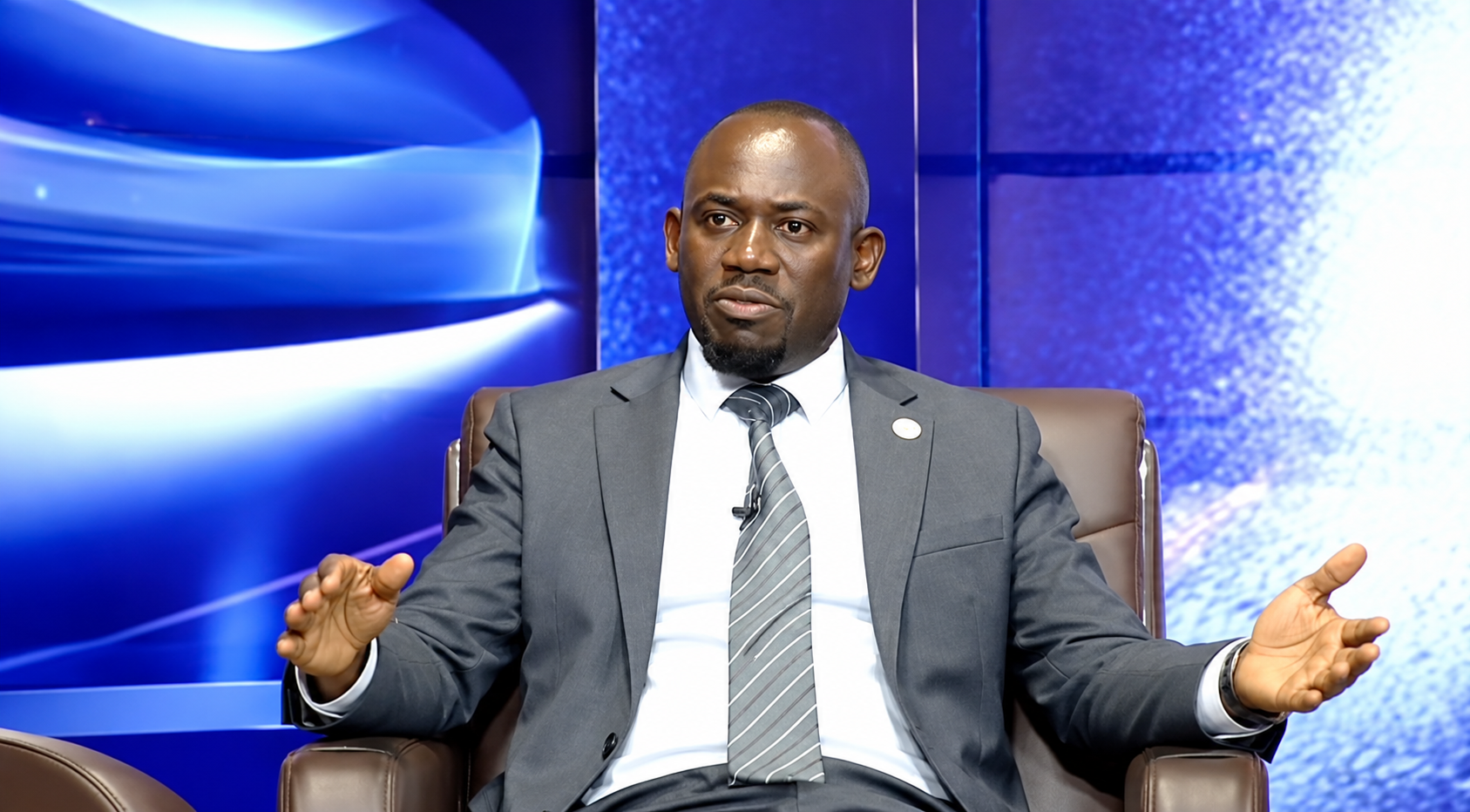
Speaking on UBC TV Uganda’s Behind the Headlines show on Wednesday 28th October 2026, under the theme “Beyond Charcoal: Expanding Access to Clean Energy & Protecting Africa’s Forests,” Dr Peter Babyenda, Lecturer in the Department of Policy and Development Economics, School of Economics, College of Business and Management Sciences (CoBAMS) at Makerere University, said the economics of the ban does not make sense for the last-mile user.
“The economics is very important. The last person, the lady in the market, the gentleman that has a chapati stand is looking at charcoal. He’s looking at how 5,000 shillings can make for him 150,000 shillings a day. Does the economics of this ban make sense?” Dr Babyenda asked.
He said announcing a charcoal ban without alternatives is like announcing a ban on poverty. “It’s like when you stand at a media center and you say now poverty in Uganda has been banned! And then you leave it at that. It is the same scenario when you say that charcoal is banned,” he said.
Dr Babyenda argued that while a sack of charcoal appears expensive compared to LPG or electricity, charcoal survives because of divisibility and affordability. “You need some, maybe a basin of charcoal or half, and charcoal is sold in small quantities which are affordable. Whereas if you looked at the sack of charcoal, you compare it with LPG or electricity, you might find that using electricity is cheaper. But there is divisibility. Can I get, if I have 2,000 shillings, can I get LPG, can I get electricity? Like you can do if you are using charcoal,” he explained.
He identified three critical barriers to transition:
- affordability of upfront costs for cookers and cylinders,
- availability due to a poor distribution network especially in villages, and
- reliability due to unstable power supply.
“So addressing the affordability issue, and then availability, for example, if I am in the village and I have to cook, where will I get the electricity? The distribution network is still very poor. And then you look at another thing which is reliability,” he said.
Dr Babyenda noted that charcoal itself is already a transition from firewood. “We have what we call energy ladder, which relates the energy you use to your income levels. So we need a just transition, not a cliff-edge ban,” he said.
He warned that a total ban would create a black market and worsen livelihoods. “There are livelihoods at stake here. I observed people demonstrating businesses, people who have borrowed money to be able to do these businesses. Some have even gone as far as DRC and South Sudan to import charcoal. When you take time to observe, from a chapati seller to a mother selling food in a market, households, hospitality sector, the vast majority is surviving on this charcoal,” he said.
“What is the likely impact if we keep on this trajectory of the ban? A disaster. People have to cook. If there’s no alternative, and we all know the power has become very unreliable, you can’t use it to cook,” he added.
He called upon those in authority and the agencies concerned to note that in some areas in Uganda (outside Kampala), the power is too dim to run an electric pressure cooker.
Drawing lessons from Kenya, which banned charcoal production but removed tariffs on imports to allow regulated supply, Dr Babyenda said Uganda should not ban both production and use. He urged government to follow its own Energy Transition Plan and LPG Strategy.
“What do we do first? Should we ban charcoal completely and then promote the other alternatives? Or we ensure that the alternatives are available, accessible, reliable, and then we come on board,” he asked. “There is nobody who tests e-cooking, and even just LPG, and then would wish to use charcoal. It is fast and saves time.”
He proposed promoting sustainable use through green charcoaling, planting fast-maturing species specifically for charcoal, improving clean efficiency where the country loses close to 90 percent due to poor technology, and formalizing production through licensing.
Dr Babyenda said the solution lies in sequencing and demonstration in local languages, bringing local governments on board, ensuring access to power, as well as fixing the infrastructure including undertaking a needs assessment in the rural areas where in some parts of the country, the power is too dim to even run an electric pressure cooker.
where even outside Kampala power is too dim to run an electric pressure cooker.
Guest Writer: Julius Mugaga Tukacungurwa, is a journalist at the Umoja Standard News Agency based in Kampala, Uganda.