Summary:
The article argues that providing climate information alone is insufficient to drive effective climate action in Uganda. It says climate data must be combined with practical support, accessible technologies, financing, and extension services to help communities adapt to climate change. The author calls for stronger collaboration among government, researchers, development partners, and local communities to translate climate knowledge into resilient livelihoods and sustainable development.
Dr Peter Babyenda School of Economics, New Vision Publication

Summary:
The article emphasizes that a meaningful legacy is built by investing in people, strong institutions, and shared values rather than personal achievements alone. It calls on leaders to prepare future generations through mentorship, knowledge sharing, and succession planning to ensure sustainable progress.
Assoc. Prof. Okumu Mike Ibrahim, The Monitor Publications
Summary:
The article highlights that many Ugandan workers are disengaged despite being present at work, mainly due to poor working conditions and low motivation. It calls for better jobs, fair pay, and improved workplace support to boost productivity and economic growth.
Assoc. Prof. Okumu Mike Ibrahim, The Monitor Publications
Summary:
The article argues that Uganda is increasingly prioritizing image over competence, integrity, and results. It warns that this culture of “impression management” allows perception to outweigh performance, undermining workplaces and public institutions. The author calls for greater emphasis on merit, accountability, and demonstrated ability to strengthen institutional effectiveness.
Assoc. Prof. Okumu Mike Ibrahim, The Monitor Publications
Summary:
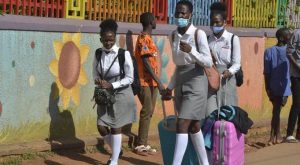
The article argues that the rising cost of education is deepening inequality in Uganda by limiting access for low-income families. It calls for increased investment and affordable education policies to ensure equal opportunities for all learners.
Dr. Richard Ssempala School of Economics, New Vision Publication
Summary:
The article argues that high school fees are making education less affordable for many Ugandan families. It calls for greater government support to reduce costs and expand access to quality education.