
By Monica Meeme
June 23, 2026: Presenting findings from a study titled: “Substance and Alcohol Use, Dating Violence, and Sexually Transmitted Infections (STIs) among Students at Makerere University,” Dr. Stephen Ojiambo Wandera, the Principal Investigator (PI) based at the College of Business and Management Sciences (CoBAMS), urged university leaders, policymakers, researchers, health providers, and students to work together in promoting student well-being, creating a safer, and a supportive learning environment.
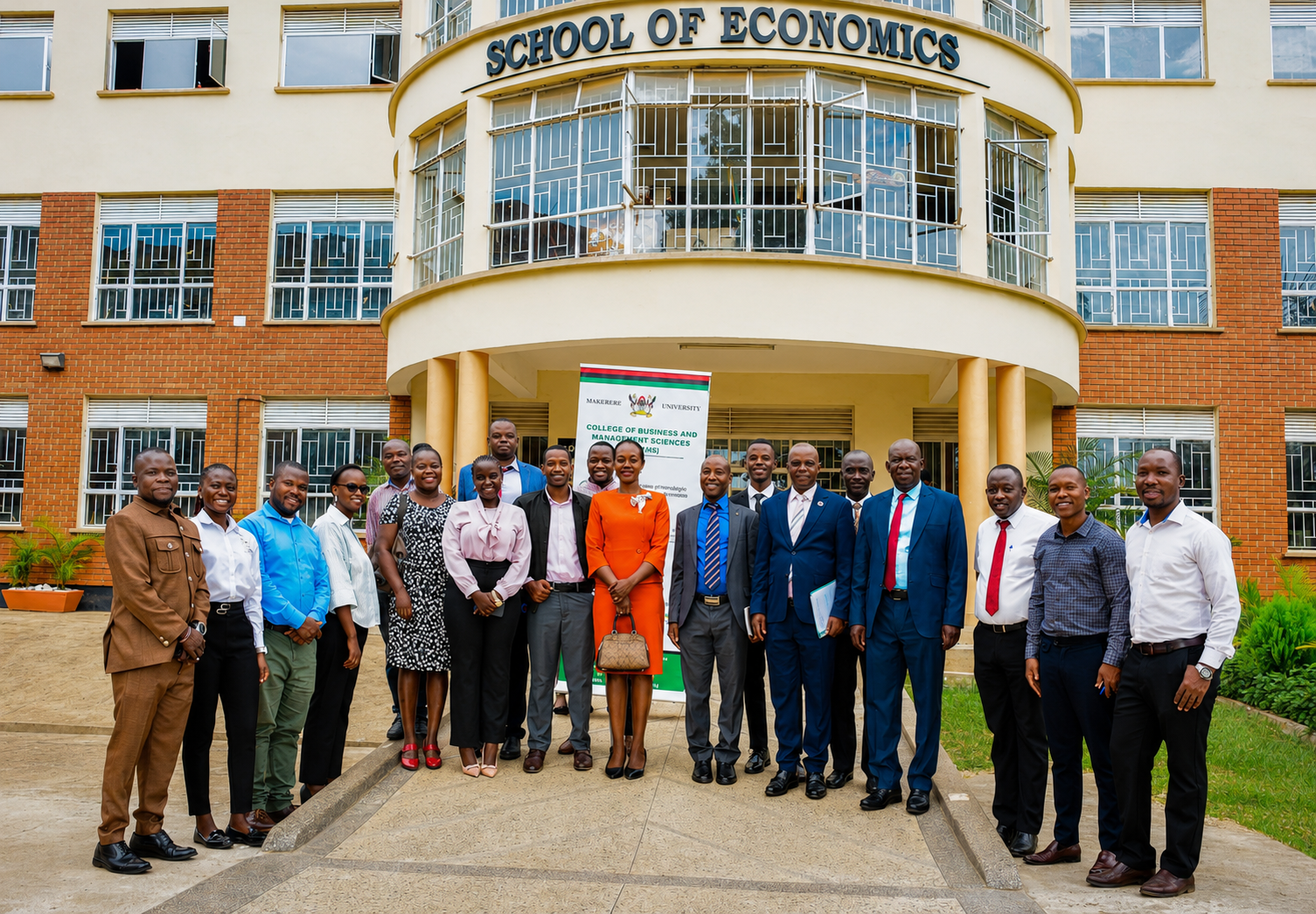
This call to action was made on 23rd June 2026 during a dissemination workshop held at Makerere University, College of Business and Management Sciences (CoBAMS).
The research study aimed at examining the prevalence and associated factors of alcohol and drug use, dating violence, sexually transmitted infections (STIs), and mental health challenges among students.
Funded by the Government of Uganda through the Makerere University Research and Innovation Fund (Mak-RIF), the study surveyed approximately 800 undergraduate and postgraduate students from ten colleges of Makerere University.
Research Findings on Substance and Alcohol Use, Dating Violence, and (STIs) among Students
During his presentation, Dr. Wandera reported high levels of dating violence, STIs, and mental health challenges among students, noting that dating violence was linked to substance use, multiple sexual partnerships, and poor mental health, with unexpectedly higher vulnerability among male students.

He revealed that about 27% of sexually active students reported STI symptoms, with female students being the most affected. On the issue of depression, 21% out of the 800 students who participated in the study experienced moderate to severe depression and 15% reported suicidal thoughts or behaviors, largely driven by academic stress, financial difficulties, and relationship challenges.
Dr. Wandera highlights Recommended Interventions and Institutional Response
Underscoring the need for universities to pay closer attention to students’ learning experiences and support systems, Dr. Wandera noted that mental health should not be viewed solely as an individual concern but as an institutional issue requiring coordinated action from faculty, counsellors, administrators, and student leaders.
To address the challenges, Dr. Wandera called for strengthening awareness campaigns on dating violence, sexual health, and mental well-being, implementing gender-inclusive violence prevention programs, and expanding STI screening and health outreach services.
He pointed out the need to strengthen counselling and guidance services through innovative approaches such as online counseling platforms, telephone hotlines, and peer to peer support mechanisms. These measures, he said, would help reduce stigma and improve access to mental health and health services, particularly for students who may be reluctant to seek in-person support.
Remarks from the College Principal
Welcoming the participants, the Principal of the College of Business and Management Sciences (CoBAMS) Prof. Edward Bbaale underscored the importance of the study, noting that the dissemination and discussion strengthens student safety, well-being, and academic success. He highlighted that the study reflects Makerere University’s commitment to generating evidence that informs policy and practice for informed decision making.

“Understanding critical issues such as substance abuse, dating violence, and sexually transmitted infections is essential for designing effective interventions and strengthening student support systems within the university,” he added.
The Principal congratulated the research team from the College of Business and Management Sciences (CoBAMS) and the College of Humanities and Social Sciences (CHUSS) for conducting a timely and policy-relevant study. He urgued the Makerere University Research and Innovations Fund (Mak-RIF) and the Ministry of Gender, Labour and Social Development for collaborating with researchers at the College to generate evidence that addresses day-to-day challenges.
Applauding the collaborative and multidisciplinary nature of the research, the Principal noted that complex social problems require partnerships across disciplines, institutions, and government agencies.
He encouraged participants to focus on translating the research findings into practical actions, institutional policies, and programmes that promote a safer and healthier learning environment.
Mak-RIF Perspective on Research and Emerging Challenges
Representing Prof. Fred Masagazi Masaazi, the Chairperson of the Makerere University Research and Innovation Fund (Mak-RIF), Dr. Eddy J. Walakira, a member of Mak-RIF Grants Management Committee, congratulated Dr. Stephen O. Wandera and his research team for successfully progressing from concept development and proposal writing to the implementation and dissemination.
He commended the College of Business and Management Sciences (CoBAMS) for creating a supportive environment that enables researchers to undertake impactful studies.
Reflecting on the study’s focus on Substance and Alcohol Use, Dating Violence, and Sexually Transmitted Infections (STIs) among university students, Dr. Walakira described the topic as highly relevant to the well-being and future of young people.
He emphasized the need to consider emerging challenges, including the potential impact of Artificial Intelligence (AI) on employment opportunities and youth engagement, which could increase vulnerability to risky behaviors if not properly addressed.
He acknowledged Makerere University support systems, particularly the counselling and guidance services, and expressed confidence that the findings of the study would provide valuable evidence to strengthen interventions aimed at promoting student welfare.
Gender, Consent, and Student Well-being
Addressing the participants, Dr. Winifred N. Kabumbuli, the Dean of Students, highlighted the importance of addressing substance and alcohol use, dating violence, and sexually transmitted infections (STIs) among university students, noting that these issues continue to affect student well-being, safety, and academic success.
Drawing from personal experiences and observations from student life, she stressed the need for open dialogue and evidence-based interventions to address the challenges facing young people.
The Dean of Students underscored the importance of understanding changing social and gender dynamics, stressing that harmful stereotypes and traditional gender norms can contribute to misunderstandings and violence in relationships. She stressed the principle of consent, noting that when an individual says “no,” their decision must be respected, regardless of societal expectations or assumptions.
The Dean of Students also raised concerns about student’s health and hygiene, particularly the adequacy of sanitation facilities and access to clean water on campus. She emphasized that improving hygiene infrastructure and ensuring reliable water supply could contribute significantly to preventing certain infections and promoting overall student health.
She praised the research team for generating evidence on issues that directly affect students and expressed hope that the findings would inform stronger support systems, awareness campaigns, and policies aimed at creating a safer and healthier university environment.
She encouraged continued collaboration between researchers, university administrators, counsellors, and policymakers to translate research findings into practical actions.
She reaffirmed the university’s commitment to student welfare and called for sustained efforts to address substance abuse, gender-based violence, and sexual health challenges.
Promoting health, responsible behavior and positive decision making
Mr. Fred Ngabirano, Commissioner for Youth and Children Affairs at the Ministry of Gender, Labour and Social Development, underscored the importance of using the findings from the study as an opportunity to promote health, responsible behavior, and positive decision-making among young people.
He called for the translation of research evidence into meaningful and practical actions that can contribute to the transformation and well-being of all people, particularly the youth.
“We need to strengthen collaboration among government, universities, and partners to promote healthier lifestyles and safeguard the well-being of young people,” he urged.
Multi-sectoral Perspectives and Stakeholder Feedback
During the discussion and feedback session, Joshua Zawukanya from the Ministry of Education and Sports highlighted the need for strong partnerships, multi-sectoral approaches, and sustained collaboration among government institutions, development partners, and civil society organizations.
“Meaningful and sustainable impact can only be achieved when stakeholders work together to translate research findings into practical interventions and policy decisions,” he proposed.

Albert Bwire, a representative from the Ministry of Health, highlighted the importance of addressing student well-being through practical and student-centered approaches.
Drawing from workplace experiences, he underscored the value of creating safe channels for communication, including the use of suggestion boxes and other feedback mechanisms that allow students to raise concerns confidentially.
He underscored the importance of actively involving students in the design and implementation of interventions. He called for the integration of mental health, substance use prevention, and violence prevention initiatives into university policies, programs, and extracurricular activities to ensure a coordinated and sustainable institutional response.
Mr. Henry Nsubuga, the Deputy Chief, and Ms. Evelyn C. Kharono, a counsellor at the Makerere University Counselling and Guidance Centre, appealed to the participants to refer Makerere University staff and students in need of mental health and psychosocial support to the Counselling and Guidance Centre for appropriate services.

Samuel Ssemakabanga, a former student leader for students with disabilities at Makerere University, highlighted the importance of taking information and support services directly to students within their residences.
He advocated for empowering wardens, custodians, and hall leaders with the knowledge and skills needed to identify students who may require support and to guide them toward appropriate services. He noted the value of leveraging existing residence structures for early identification, timely intervention, and continuous support, ensuring that students receive assistance before challenges escalate.
Workshop Participation and Representation
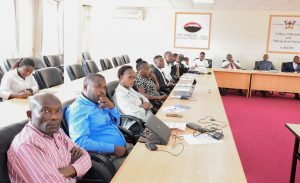
Moderated by Dr. Shafiq Kawooya, the dissemination workshop brought together over 30 participants, including the Principal of the College of Business and Management Sciences, Professor Edward Bbaale, the Dean of Students, Dr. Winifred N. Kabumbuli, and representatives from various institutions, including the Ministry of Education and Sports, Ministry of Health, Ministry of Gender, Labour and Social Development, Makerere University Counseling and Guidance Center, and Makerere University Students Guild among others.
The Research Team
The study was conducted by a team of researchers from the College of Business and Management Sciences (CoBAMS) and the College of Humanities and Social Sciences (CHUSS), in collaboration with the Ministry of Gender, Labour and Social Development (MGLSD), comprising Dr. Stephen O. Wandera as the Principal Investigator at CoBAMS, Prof. Sarah Ssali, the Makerere University Deputy Vice Chancellor (Academic Affairs), Prof. Betty Kwagala, Senior researcher in the Department of Population Studies, College of Business and Management Sciences, Mr. Fred Ngabirano, Commissioner for Youth and Children Affairs at the Ministry of Gender, Labour and Social Development, and Dr. Eddy J. Walakira, an academic researcher at the College of Humanities and Social Sciences (CHUSS).
The dissemination workshop provided an opportunity for stakeholders to reflect on the study findings and propose practical strategies for improving student welfare in higher education institutions in Uganda.