
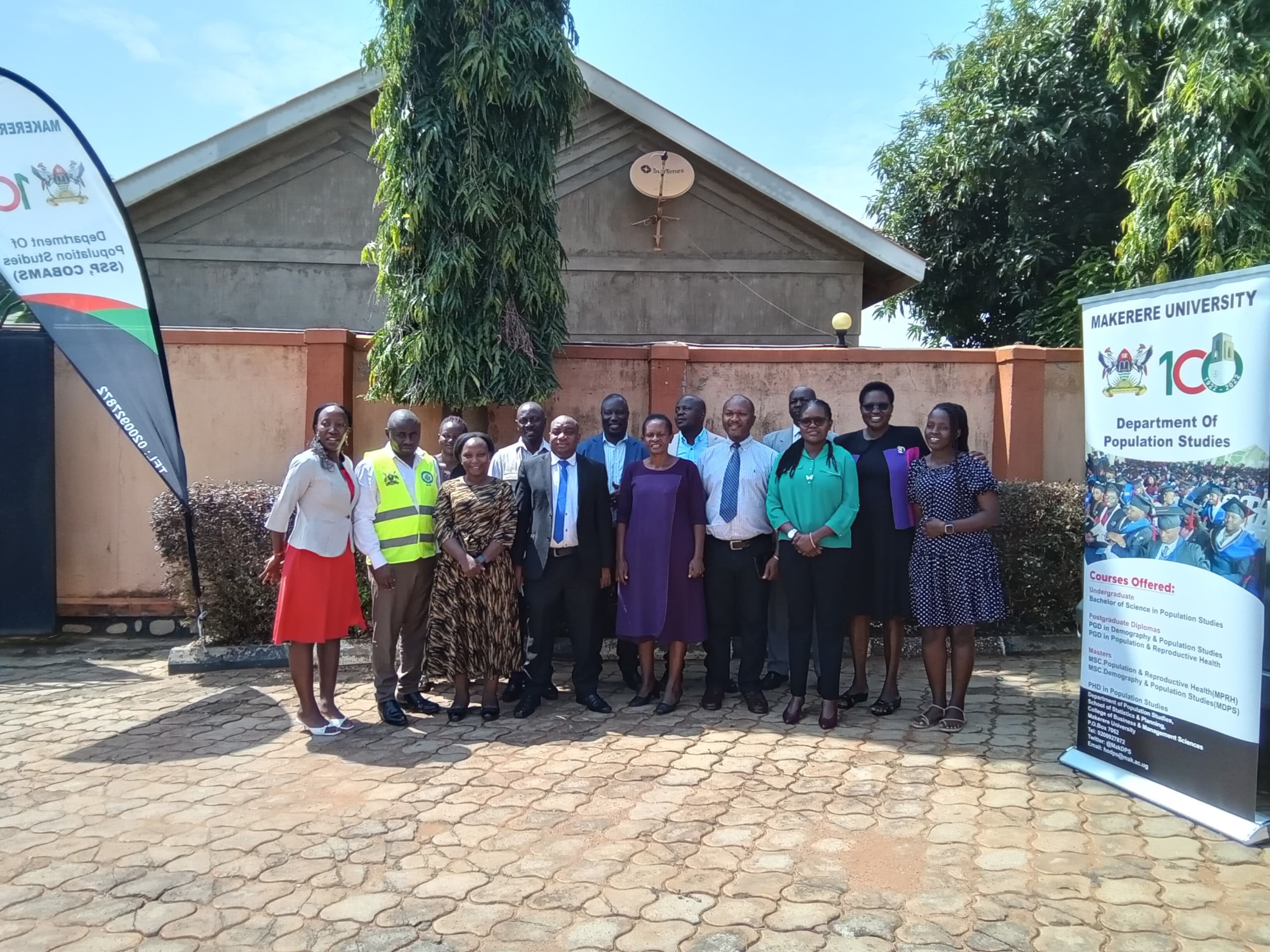
Makerere University School of Statistics and Planning launched a new research project titled “The Home Environment and Early Childhood Development Outcomes in Uganda” on 3rd July 2025. The study focuses on the impact of home environments and aims to uncover the unique challenges faced by caregivers of young children with developmental delays in Eastern Uganda.
The study will examine the challenges caregivers encounter, including social stigma, financial hardship, and emotional strain, while assessing the effectiveness of current support systems. Additionally, the research will explore the coping strategies caregivers employ to manage their caregiving responsibilities while maintaining their well-being.
By addressing these critical issues, the project aims to provide essential insights to guide policymakers, healthcare providers, and community organizations in better supporting families in the regions.
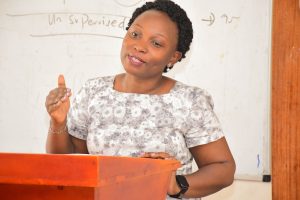
Led by Dr. Olivia Nankinga, a Lecturer in the Department of Population Studies at Makerere University and a fellow of the Consolidating Early Career Academic Programme (CECAP II), the research will make a significant contribution to the field of Early Childhood Development (ECD).
The meeting brought together district leaders, researchers, and key stakeholders from Busia and Tororo districts, as well as representatives from Makerere University. Distinguished participants included Mr. Okumu Semu, District Community Development Officer (DCDO) for Busia, Mr. Vincent Oguti, DCDO for Tororo, Mr. Wamaena Dick, Assistant District Health Officer (DHO) for Busia, Ms. Topista Nyadoi, representative from the District Education Officers (DEOs) for Tororo, Dr. Allen Kabagenyi, the Head of Population Studies, Mr. Barasa Gabriel, District Education Officer for Busia, Ms. Florence Namuwaya, a master’s student in Population and Reproductive Health and internship students among others.
In his opening remarks, Mr. Okumu Semu, the District Community Development Officer for Busia, emphasized that the inception meeting provides an excellent opportunity for individual researchers and organizations to collaborate and build networks. He stressed the importance of fostering partnerships to enhance the impact of research and ensure it addresses the real needs of the community.
Mr. Okumu encouraged researchers to work together on the project “The Home Environment and Early Childhood Development Outcomes in Uganda” to improve early childhood development and pledged his support to enhance the welfare of people in the region. He also promised to connect the research team with other organizations and projects for the common good of society.
Addressing the participants, Dr. Allen Kabagenyi, the Head, Department of Population Studies under the College of Business and Management Sciences at Makerere University, underscored the significant impact this research could have on shaping Uganda’s future. “This is not just about collecting data; it’s about shaping the future of childhood development in Uganda,” she stated.
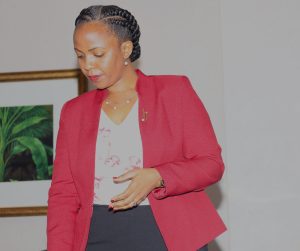
Dr. Kabagenyi emphasized that the research’s primary goal is to explore how various home environment factors, such as emotional support, nutrition, parental involvement, and access to early education, affect children’s cognitive, emotional, and social development.
She noted that the goal is to find insights to improve early childhood development in Busia and Tororo, aiming to influence policies that will benefit children in these districts and across Uganda. The research will focus on key factors like emotional support, nutrition, and early education to create lasting positive changes.
During the meeting, Dr. Olivia Nankinga, a Lecturer at the School of Statistics and Planning, shared the research methodology, which includes visiting children’s homes and conducting interviews with parents, teachers, and community leaders. The goal is to identify the underlying factors contributing to the low development index in the region.
Dr. Nankinga pointed out the major challenges affecting early childhood development, including poor nutrition, emotional neglect, and a lack of parental involvement – factors contributing to developmental delays in children. One of the research’s key aims is to examine these factors individually and assess their impact on child development.
She a highlighted the role of extended family members and community structures in providing learning support, especially in households where parents are absent or stressed. Dr. Nankinga emphasized the importance of early childhood education centers in the research and noted that the study’s findings will contribute to national policy discussions, helping to shape policies that better address the needs of young children in Uganda.
In her remarks, Ms. Florence Namuwaya, a master’s student in Population and Reproductive Health and a member of the research team, emphasized the critical role of home environments in early childhood development. “The role of the home environment cannot be overstated,” she said. “This project presents a unique opportunity for district teams, health officers, and educators to come together and make a real difference in the lives of children.”
Some participants proposed that Dr. Nankinga and her research team translates the survey tools into local languages among them Etesot, to ensure broader accessibility and better comprehension within the communities. Additionally, it was suggested that nursery school owners need to be included in the research to gain more in-depth insights into the educational challenges faced by children in the districts.
As the meeting drew to a close, Dr. Kabagenyi reminded participants that the work initiated is more than just research, it is about building a foundation for better policies that will support future generations of Ugandans. “Your contributions today will help create a better tomorrow for these children,” she added.
The meeting ended with a strong sense of shared purpose and commitment. The collaboration between Busia, Tororo, and Makerere University has laid the foundation for meaningful change in early childhood development, with all parties dedicated to tackling challenges and making lasting improvements for children and families in the region.
Monica Meeme contributed to this story as a Guest Writer.